Key Takeaways
• Dock lines are essential ropes used to secure your boat to a dock temporarily or long‑term, and choosing the right materials, size, and configuration helps prevent drift, minimize stress on hardware, and protect both the vessel and dock in varied conditions.
• Typically made from nylon for strength, elasticity, and resistance to abrasion, UV, and rot, dock lines work with cleats and accessories to keep your boat stable against wind, waves, and current forces on the water.
• Proper selection and placement of dock cleats and the use of accessories like snubbers and chafe protection improve tie‑off performance and safety, while regular inspection prevents wear‑related failures.
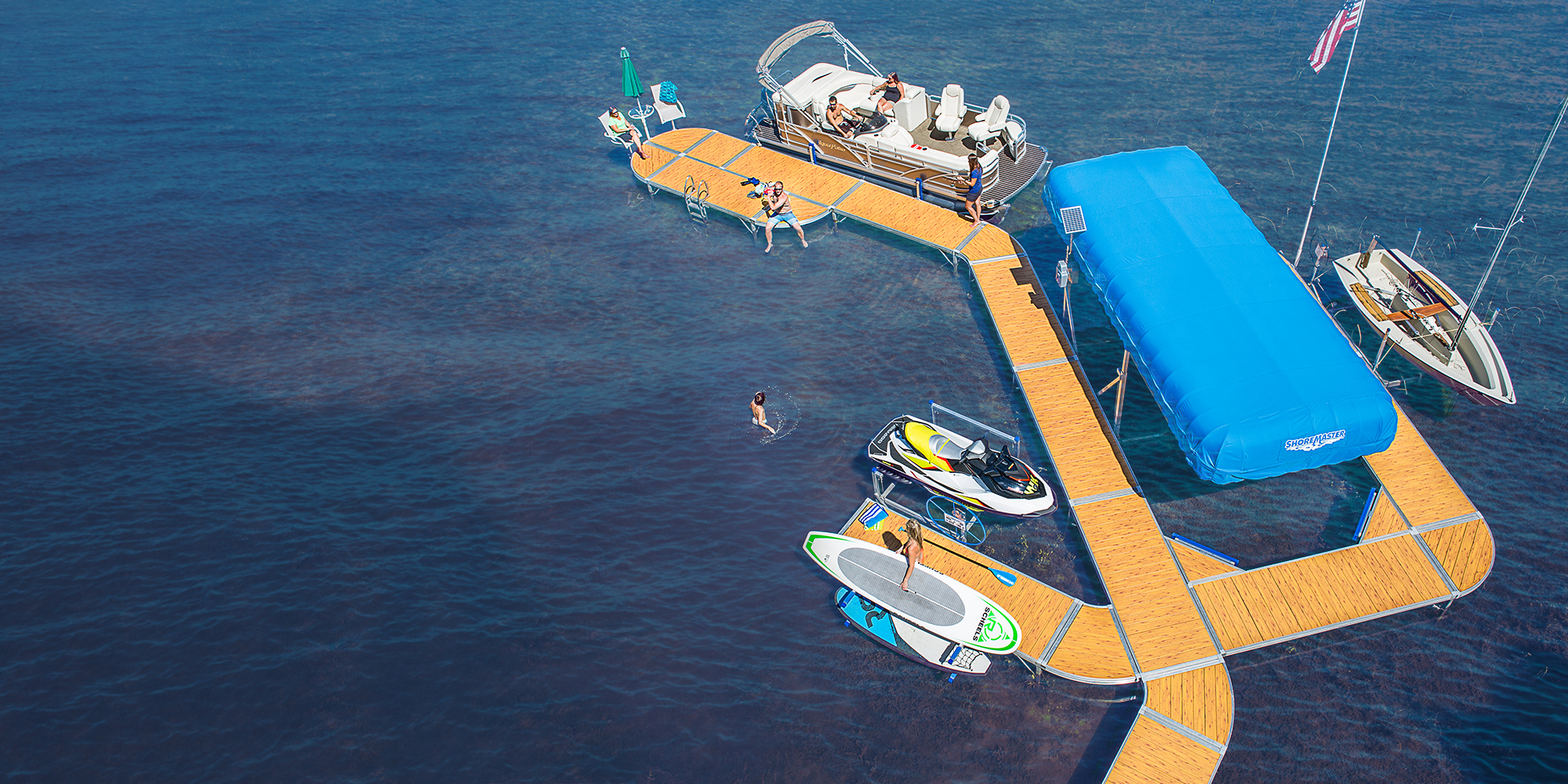
When you have to temporarily stop your boat at a dock and don’t want to bother with a boat lift, dock lines are the way to go. Dock lines will keep your boat from drifting away into the water while you’re stretching your legs on land. Here’s a short introduction to boat dock lines, dock cleats, and other boat dock accessories to help keep your boat in place.
What Are Dock Lines?
Dock lines are ropes that secure your boat in place at the dock for short-term mooring. They’re often made of nylon, which allows them to be strong, elastic, and resistant to abrasion, UV rays, and rot. The right dock line for your boat and hardware is strong enough to hold your boat, bulky enough to avoid chafing, but light enough that it still has shock-absorbing properties. Your choice in size and construction will also depend on how exposed your waterfront is to waves, wind, currents, windage, and boat displacement.
Typically boats are tied to the dock, or “made fast,” with a set of four dock lines that work together to keep the boat more or less in place: bow and stern lines, spring lines, and short breast lines. Sometimes lines are shortened or lengthened depending on conditions and the type of dock you’re tied to.
Caring for Your Dock Lines
Like all gear, your dock lines should be regularly inspected for signs of wear and aging—you don’t want to find out that your lines are broken right when you need them. Check for chafing damage, unraveling lines, or discoloration, and replace damaged lines before they become a liability. Diligence is crucial even while you’re out, so pay extra attention to your dock line chafing gear, particularly when the weather gets severe.
Dock Cleats and Accessories
A dock cleat is a simple boat dock accessory that allows you to temporarily moor a boat. The cleat attaches to your dock and gives you a place to tie your dock lines so you don’t have to worry about your boat drifting away or bumping into anything. It’s important to get boat cleats that are appropriately sized and installed to avoid damage under pressure, especially during storms and very windy conditions. ShoreMaster’s dock cleats are compatible with any Infinity ShoreMaster dock system and can be installed anywhere along the dock perimeter without additional drilling.
In addition to dock lines, there are other boat dock accessories that can help you care for your boat and your dock lines. Shock absorbers called snubbers can take the stress off of your dock lines and hardware, and chafe protection can be added to spots that see a lot of abrasion. A boat hook is great for grabbing the area you want to attach your dock line to, and some can pass the line through cleats without leaving the boat.
Boat Dock Accessories from ShoreMaster
ShoreMaster’s Infinity dock systems make it easy not only to moor boats but also to customize your shoreline and turn it into your ideal outdoor space. Choose from the widest array of accessories and options in the industry and know they come with years of engineering and waterfront expertise behind them. For more information on the dock design options that work best for your area, contact a local ShoreMaster dealer.
FAQs
What are dock lines and why are they important?
Dock lines are marine-grade ropes used to secure a boat to a dock and control movement caused by wind, current, or waves. They absorb shock to reduce stress on cleats, hull fittings, and dock hardware, helping maintain safe and stable mooring.
What makes a good dock line material?
Nylon is the most common dock line material because it offers high strength, elasticity, and resistance to UV exposure and abrasion. Its ability to stretch helps absorb sudden loads and protects both the boat and dock components.
How do dock cleats work with dock lines?
Dock cleats are fixed hardware points where dock lines are tied or looped to secure a boat in place. Properly sized and securely installed cleats distribute load evenly and allow for safe, quick release when needed, even in changing conditions.


